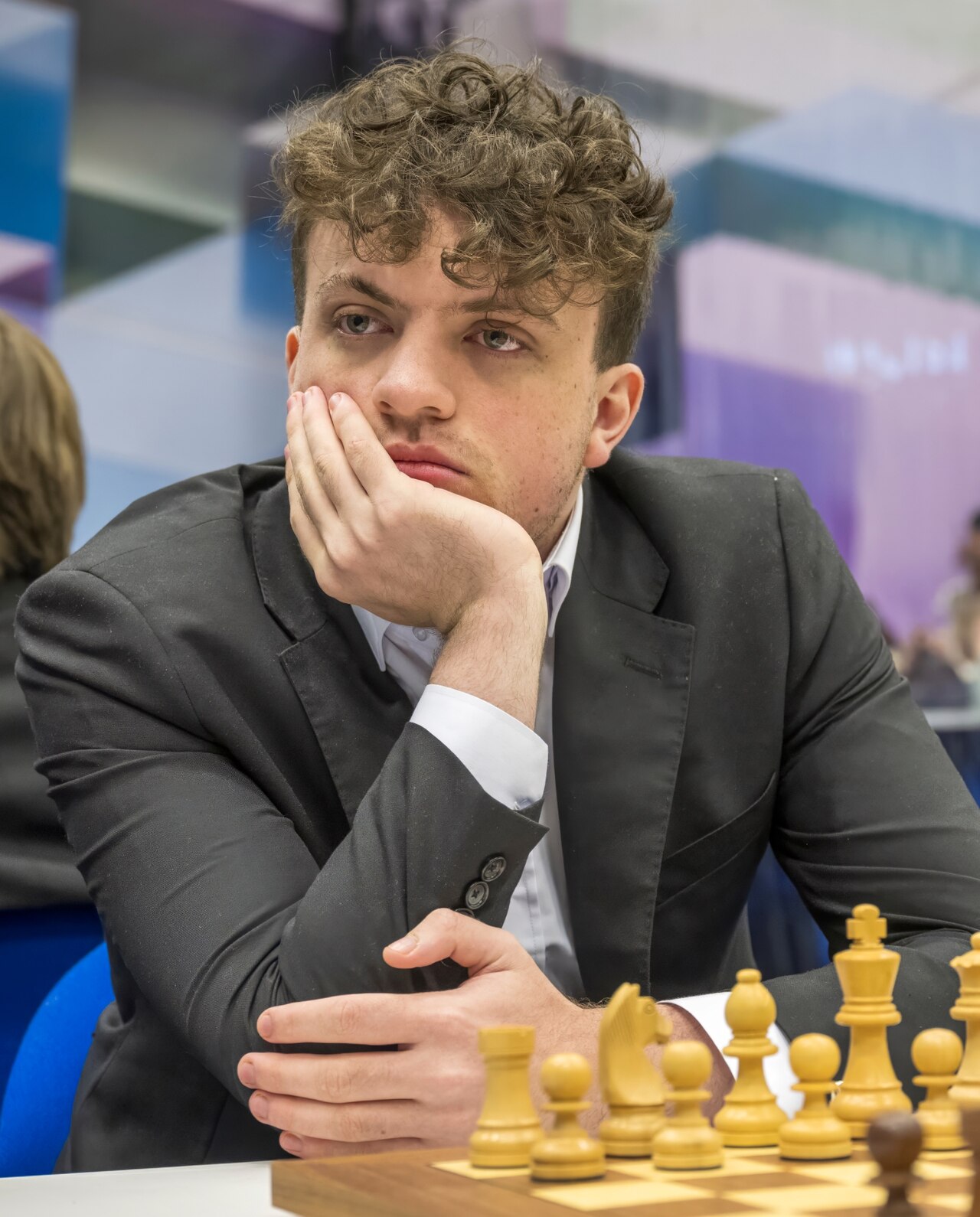
Hans Niemann's Past: Unpacking Over 100 Suspected Chess Cheats
The chess world was rocked by an unprecedented scandal when reigning World Champion Magnus Carlsen withdrew from a major tournament after losing to American Grandmaster Hans Moke Niemann. Carlsen's cryptic comments and subsequent actions ignited a firestorm of speculation, leading many to ask:
Did Hans Cheat In Chess? While the immediate focus was on their specific game, the ensuing investigation quickly unearthed a more startling revelation: allegations of Niemann's past online cheating on over 100 occasions. This article delves into Niemann's history, the nature of these extensive suspicions, and what they mean for the integrity of the game.
The Carlsen Controversy: A Catalyst for Scrutiny
The dramatic events in St. Louis provided the initial spark. Magnus Carlsen, widely considered the greatest chess player of all time (GOAT), suffered a surprising defeat against the then 19-year-old Niemann, who was rated just under 2700 at the time. What followed sent shockwaves through the chess community: Carlsen withdrew from the Sinquefield Cup, releasing a cryptic tweet referencing football manager José Mourinho's "if I speak, I am in big trouble" quote.
This unusual behavior from the world champion immediately pointed fingers at Niemann. Online "internet detectives" sprang into action, meticulously analyzing Niemann's games, his rapid rating ascent, and his past. It was this intense scrutiny, fueled by Carlsen's powerful implied accusation, that brought Niemann's prior instances of suspected online rule-breaking to the forefront. For a deeper dive into the Carlsen-Niemann saga, read our article:
Hans Niemann Chess Cheating: Unpacking the Carlsen Controversy.
A Pattern Emerges: The "Over 100" Allegations
The most damning aspect of the post-Carlsen investigation was the revelation that Hans Niemann was suspected of cheating more than 100 times in past online matches. These allegations primarily stemmed from detailed analyses by platforms like Chess.com, which identified patterns of highly unusual play and uncanny engine correlation in a significant number of his online games.
It's crucial to understand the distinction between "suspected" and "proven" cheating, especially in the complex world of online chess. Anti-cheating algorithms analyze numerous data points: move choices, speed of play, mouse movements, eye tracking (if enabled), and most importantly, the statistical correlation between a player's moves and the optimal moves suggested by powerful chess engines. When a player consistently plays moves that match a top engine's suggestions, particularly in complex positions where human intuition struggles, it raises a red flag. Over 100 such flags, accumulated over time, painted a concerning picture of Niemann's online play history. These instances predated the Carlsen match, but their sheer volume underscored a long-standing pattern that was only truly exposed after the high-profile OTB (over-the-board) controversy.
The Challenge of Retrospective Analysis
While the "over 100" figure sounds definitive, it represents detections by algorithms and human review, not necessarily legal confessions or universally accepted verdicts. The challenge lies in proving intent beyond a reasonable doubt, especially for historical online games. Nevertheless, the sheer volume of these incidents from a reputable platform like Chess.com adds significant weight to the suspicions surrounding Niemann's past.
Hans Niemann's Rapid Ascent: Genius or Something Else?
Beyond the raw statistics of alleged cheating, Niemann's trajectory in the chess world has also been a subject of intense discussion. Grandmaster Jacob Aagaard, who coached Niemann in 2019, provides a fascinating glimpse into his development. Aagaard met Niemann when he was rated around 2450, describing him as a "socially awkward character" but also "smart, funny, and likeable." Niemann reportedly considered quitting chess, indicating a deep emotional investment in the game.
Over the next few years, Niemann's attitude shifted dramatically. He became fiercely dedicated, traveling extensively, playing constantly, and uncompromising in his pursuit of greatness. His rating surged, gaining over 100 points in a single summer, reaching above 2630. Aagaard noted Niemann's "off the charts" memory and intuition during training sessions, where Niemann could recall and instantly analyze exercises from recent top-level games that even seasoned grandmasters might not know. He also observed Niemann's intense study habits, playing through "ALL games from all tournaments on Follow chess" whenever Aagaard visited his room.
However, Aagaard also identified "obvious big holes in his chess," a common observation even among elite players. The combination of astonishing talent and a rapid rating climb, juxtaposed with identified weaknesses and the now-public history of suspected online cheating, creates a complex narrative. Was Niemann's rapid ascent purely due to incredible dedication and innate genius, or were some instances of artificial assistance intertwined with his natural abilities?
The Difficulty of Proving Deception
The Niemann case highlights the profound difficulty in definitively proving cheating, especially in OTB games. As mathematician William Dembski and host Eric Anderson discussed on "ID the Future," there was "no smoking gun" in the Carlsen match. This problem isn't unique to chess; it mirrors challenges in other fields where subtle patterns of design or intentional action need to be distinguished from random chance. Sophisticated "design detection tools" are being explored to identify statistically improbable move sequences that suggest engine assistance. However, human interpretation of these probabilistic findings remains critical. The fine line between genius and deception makes it incredibly challenging to pass definitive judgment, emphasizing the need for robust and transparent anti-cheating protocols. For more on this fascinating approach, see our article:
Chess Cheating: Can Design Detection Solve the Niemann Mystery?
What This Means for Chess Integrity
The Hans Niemann scandal, particularly the revelations about his past online activities, has profound implications for the integrity of chess. Trust is the bedrock of competitive play, and allegations of cheating, especially on such a scale, erode that trust.
Key Takeaways for the Chess Community:
*
Increased Vigilance: The incident has spurred chess organizations to enhance anti-cheating measures, both online and OTB. This includes stricter monitoring, delayed broadcasts, and physical searches.
*
Transparency in Investigations: There's a greater call for transparency from platforms and federations when dealing with cheating allegations, to foster public confidence in the investigative process.
*
The Burden of Proof: While highly suspicious patterns exist, the lack of a "smoking gun" in OTB games highlights the difficulty of definitive proof, creating a complex ethical dilemma for players and organizers.
*
Protecting Young Talent: The case also raises questions about how to support and guide young, ambitious players, ensuring they develop ethically and do not succumb to the temptation of shortcuts in the highly competitive world of professional chess.
The allegations against Hans Niemann, particularly the extensive history of suspected online rule-breaking, cast a long shadow over his career and the wider chess world. While no definitive proof of OTB cheating has emerged, the sheer volume of past online suspicions raises serious questions about fair play. The debate continues, underscoring the vital importance of maintaining integrity in a game built on intellect, strategy, and sportsmanship. The chess community must adapt, evolve, and implement robust safeguards to ensure that the question "
Did Hans Cheat In Chess?" (or any player) can be answered with confidence, preserving the purity of this ancient and noble game.